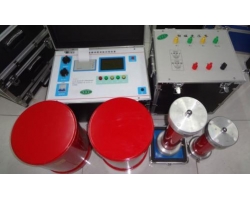

A micro water measurement instrument (also known as a trace moisture analyzer or micro water analyzer) is a device used to precisely measure the moisture content in samples. Such equipment finds wide applications across many industries and fields, including chemical, pharmaceutical, food processing, petroleum, electric power, gas processing, and more. To write an article about micro water measurement instruments, we can elaborate from the following aspects:
I. Introduction
Importance of Micro Water Measurement Instrument
Application Background and Needs
II. Working Principle
Common Micro Water Measurement Techniques
Karl Fischer Titration
Capacitance Method
Resistance Method
Infrared Absorption Spectroscopy
Mass Spectrometry
Technical Features and Advantages
III. Instrument Types
Classification by Usage Scenario
Laboratory Micro Water Measurement Instruments
Online Monitoring Micro Water Measurement Instruments
Classification by Measurement Method
Direct Measurement Method
Indirect Measurement Method
IV. Application Cases
Moisture Control in Chemical Production Processes
Moisture Detection of APIs in the Pharmaceutical Industry
Quality Monitoring in Food Processing
Humidity Monitoring in the Oil and Gas Industry
V. Development Trends
Technological Advancements
Emerging Market Opportunities
Impact of Industry Standards and Regulations
VI. Conclusion
The Role of Micro Water Measurement Instruments in Improving Product Quality and Production Efficiency
Outlook on Future Development Directions
VII. References
Academic Papers
Industry Reports
Patent Literature
Example Paragraphs
Working Principle
The Karl Fischer method is one of the most common micro water measurement techniques, based on a chemical reaction that quantitatively consumes the moisture in a sample. Karl Fischer reagents typically contain iodine, sulfur dioxide, pyridine, and methanol. When these components react with the moisture in the sample, iodine is reduced, and the moisture content can be calculated based on the amount of reagent consumed.
Instrument Types
Laboratory micro water measurement instruments typically offer high precision and multifunctionality, suitable for detailed analysis in research and development environments; whereas online monitoring micro water measurement instruments focus more on continuity and real-time performance, capable of providing real-time feedback on moisture changes during production, helping to adjust process parameters promptly.
Conclusion
With technological advancements, the performance and functionality of micro water measurement instruments will continue to improve, not only meeting the needs of traditional industries but also opening up new application fields. Future micro water measurement instruments will be more intelligent, portable, and possess higher accuracy and reliability, providing strong support for ensuring product quality.
Please further refine the content of each section based on specific needs.