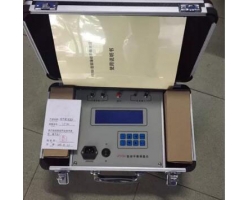

Application of Relay Protection Tester in Power Systems
Of course. Below is an outline of an article about how relay protection testers simulate normal and fault conditions in power systems:
Application of Relay Protection Tester in Power Systems
Abstract
This article aims to introduce the important role of relay protection testers in power systems and how they simulate normal and fault conditions to ensure the stability and safety of the power system. Relay protection testers can accurately simulate various electrical parameters under normal operating conditions and fault conditions, which is crucial for evaluating the performance of relay protection equipment.
Introduction
Relay protection is an important component of the power system. It is responsible for monitoring the operating status of the power network and quickly isolating fault sections when abnormalities occur, thereby minimizing the impact on the power grid. To ensure the reliability of the relay protection system, it must be regularly tested and calibrated. The relay protection tester is a professional device capable of simulating various electrical conditions, and it plays a core role in this process.
Simulation of Normal Operating Conditions
Relay protection testers can simulate electrical parameters of the power system under normal operating conditions, including but not limited to:
Voltage: Simulate voltage levels during normal operation, including rated voltage and allowable fluctuation ranges.
Current: Simulate current values under normal load conditions.
Power Factor: Simulate power factor values in actual operation.
These simulations help verify that relay protection equipment responds correctly under normal conditions and check whether its settings are appropriate.
Simulation of Fault Conditions
Relay protection testers can simulate various fault conditions, including but not limited to:
Overcurrent: Simulate high current situations such as line short circuits.
Undervoltage: Simulate voltage drops due to system faults or excessive load.
Overvoltage: Simulate voltage peaks that may occur during lightning strikes or system switching processes.
Frequency Anomalies: Simulate frequency deviations in the system.
Phase Imbalance: Simulate phase imbalance conditions in three-phase systems.
Through these simulations, the response speed and accuracy of relay protection equipment under fault conditions can be tested, ensuring they can cut off fault circuits in the shortest time, thereby protecting power equipment from damage.
Testing Process
Test Preparation: Set relevant parameters of the tester according to the type and requirements of the equipment under test.
Simulation Conditions: Simulate different electrical conditions according to the preset test plan.
Observe Response: Record the operating time and behavior of the relay protection equipment.
Data Analysis: Evaluate test results and adjust protection settings as needed.
Conclusion
Relay protection testers are indispensable tools in the maintenance and commissioning of power systems. By simulating various normal and fault conditions, they ensure that relay protection equipment can correctly and reliably perform protection tasks in actual operation, thereby ensuring the safe and stable operation of the power system.
The above is a brief overview. If you need more detailed information or have specific application scenarios you want to understand, please let me know, and I would be happy to help.