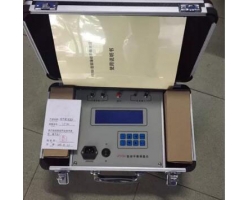

Relay protection systems are key components in ensuring the safe and stable operation of power systems. To enhance the reliability of power systems, regular relay protection testing is crucial. This article will explore several effective relay protection testing strategies, aiming to ensure that relay protection equipment operates correctly under various conditions through reasonable testing methods and procedures, thereby improving the overall reliability of the power system.
1. Introduction
The reliability and stability of power systems are directly related to the development of the social economy and the quality of personal life. Relay protection equipment plays a vital role in power systems, as it can quickly identify and isolate faults, prevent accidents from expanding, and protect equipment from damage. Therefore, ensuring the correct configuration and complete functionality of relay protection systems is an important means to improve the reliability of power systems.
2. Importance of Relay Protection Testing
Ensuring proper equipment function: Regular testing can verify whether the functions of relays and other protection equipment meet design requirements.
Preventing potential faults: By simulating various fault conditions, potential issues can be identified and addressed in advance.
Improving system stability: Correct relay protection settings can reduce unnecessary tripping, enhancing the stability of the power system and the quality of power supply.
Compliance with regulations: Many countries and regions have strict standards and regulatory requirements for the power industry, and regular testing is part of compliance.
3. Relay Protection Testing Strategies
3.1 Routine Testing
Purpose: To verify the basic functions and set values of relays.
Method: Use relay protection test equipment for static testing, including but not limited to overcurrent, undervoltage, overvoltage, differential, and other protection function tests.
Frequency: At least once a year, or immediately after significant changes.
3.2 Dynamic Testing
Purpose: To simulate real fault conditions and test the actual response behavior of relays.
Method: Use relay protection test equipment to generate complex current and voltage waveforms, simulating short circuits, ground faults, etc.
Frequency: Conduct a comprehensive dynamic test every 3 to 5 years, especially after major system upgrades.
3.3 Fault Recording Analysis
Purpose: To evaluate the actual performance of protection equipment by analyzing current and voltage waveforms during faults.
Method: Use fault recorders to record current and voltage waveforms during faults, then analyze them with specialized software.
Frequency: Immediately after each fault occurrence.
3.4 Simulation Testing
Purpose: To simulate the operating state of the power system on a computer and predict the behavior of relay protection equipment.
Method: Use power system simulation software to build models based on actual system parameters and conduct virtual tests.
Frequency: Before system upgrades or expansions.
3.5 Training and Drills
Purpose: To improve the professional skills of technical personnel and ensure correct operation and maintenance of relay protection equipment.
Method: Regularly organize technical personnel to participate in training courses and practical drills.
Frequency: Organize at least one training activity per year.
4. Implementation Recommendations
Develop a testing plan: Based on the specific conditions of the power system, formulate a detailed testing plan, clarifying testing objectives, scope, and frequency.
Use professional equipment: Choose high-quality relay protection test equipment to ensure the accuracy of test results.
Documentation: Record the process and results of each test in detail, including any issues found and corrective measures taken.
Continuous improvement: Based on test results and feedback, continuously adjust and optimize testing strategies.
5. Conclusion
By implementing the above relay protection testing strategies, the reliability of power systems can be significantly improved. Regular and comprehensive testing not only ensures that relay protection equipment is in optimal condition but also helps power companies prevent potential problems, reduce downtime, and improve power supply quality. With technological advancements, the methods and tools for relay protection testing will continue to evolve and improve, providing stronger support for the stable operation of power systems.