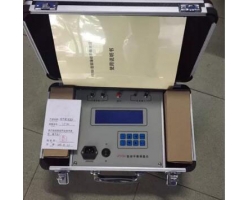

Aimed at verifying whether relay protection devices can respond correctly when faults occur in the power system. Here are some possible topics or titles for relay protection testing:
Basic testing of relay protection devices
Familiarize with the basic working principles and importance of relay protection devices.
Use of relay protection testers
Master the basic operations and advanced application techniques of relay protection testers.
Overcurrent protection testing
Implement calibration methods for overcurrent protection and adjustment of its setting values.
Instantaneous overcurrent protection testing
Check the operating speed and reliability of instantaneous overcurrent protection.
Differential protection testing
Test the performance of differential protection for transformers and other power equipment.
Distance protection testing
Confirm the accuracy and sensitivity of distance protection.
Ground fault protection testing
Evaluate the response time and effectiveness of ground fault protection.
Calibration of relay protection device setting values
Calibrate and adjust the setting values of relay protection devices to match system requirements.
Coordination testing of relay protection systems
Ensure the working coordination among multiple relay protection devices.
Case analysis of relay protection testing
Analyze real power system fault cases and discuss how to prevent similar accidents through relay protection testing.
Safety measures for relay protection testing
Safety regulations and practices that must be followed during relay protection testing.
Data recording and analysis of relay protection testing
Learn how to record test data and analyze test results to improve protection systems.
These titles can help organize training courses or seminars, and can also be used to prepare for exams or tests. Relay protection testing is a complex and important task, crucial for ensuring the safe operation of power systems.